
DCV Global Recruitment's insights on EU market entry strategies
Chan Dabare, Group Director at DCV Global Recruitment, presented at Trans X's digital event titled “Scale Beyond Borders: Proven Strategies for EU Market Entry.” The conference convened industry leaders discussing crucial expansion topics including market readiness, common international expansion failures, competitive positioning, regulatory compliance, and financing access.
Market Readiness
Dabare emphasised that having a strong product is insufficient for success. Many firms stumble internationally by neglecting cultural nuances and mistakenly assuming pricing alone drives purchasing decisions. Understanding local regulations is essential, as regulatory violations can significantly impede business growth.
Remaining Competitive
Drawing from DCV's Polish expansion, Dabare highlighted establishing local teams and presence while targeting multinational organisations operating delivery centres there. The company prioritised reaching critical mass — “reaching 100 consultants billing in record time.” Success also required recruiting strong local leadership, including experienced advisors and Non-Executive Directors, to establish credibility immediately.
Regulatory Compliance
Insufficient knowledge of local tax and compliance frameworks presents major challenges. DCV addresses this through dedicated tax and compliance teams per country, enabling leadership to concentrate on expansion. The organisation balances Non-Executive Directors between growth-oriented and compliance-focused responsibilities for sustainable development.
Access to Funding
Demonstrating clear ROI attracts investment. Assigning local specialists to identify government and EU funding opportunities proves equally important for long-term financial viability.
Dabare concluded: “There is always a wave to ride… With nearshoring booming while offshoring slows, blended delivery models are gaining momentum.” He emphasised that rebuilding initiatives in Germany's manufacturing sector will generate opportunities in infrastructure, AI, and automation. “The key to unlocking these lies in building trust with local leaders — and that trust comes from having local people on your team.”
Related Topics
View all
DCV Technologies expands in the Middle East!
DCV Technologies continues its growth in the Middle East, expanding into Abu Dhabi alongside Dubai and planning entry into Oman and Saudi Arabia.
Read more
This year DCV started the Christmas charity event early to support the flood victims in Sri Lanka
DCV Global Recruitment started its Christmas charity efforts early this year, delivering essential household items to families affected by flooding in Sri Lanka.
Read more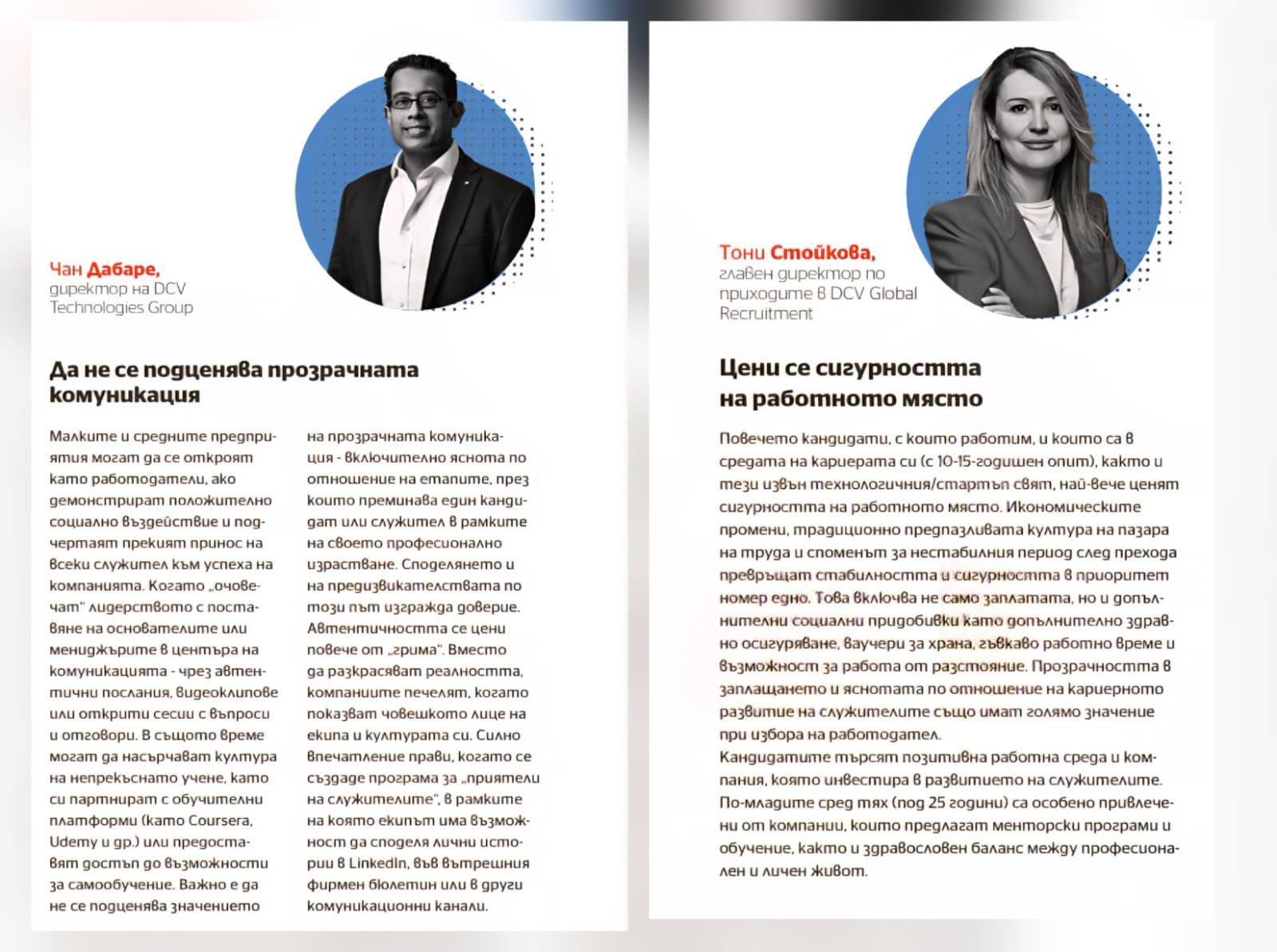
DCV Leadership Team featured in Bulgaria's most influential business publication
Chan Dabare and Toni Stoykova share their views on building a successful employer brand in Capital, Bulgaria's leading business publication.
Read more